'Seeing Structure, Sensing Time'
A photographic study of space and light
Seeing Structure, Sensing Time — geometry, grain, and light explored through a series of monochrome photographs.
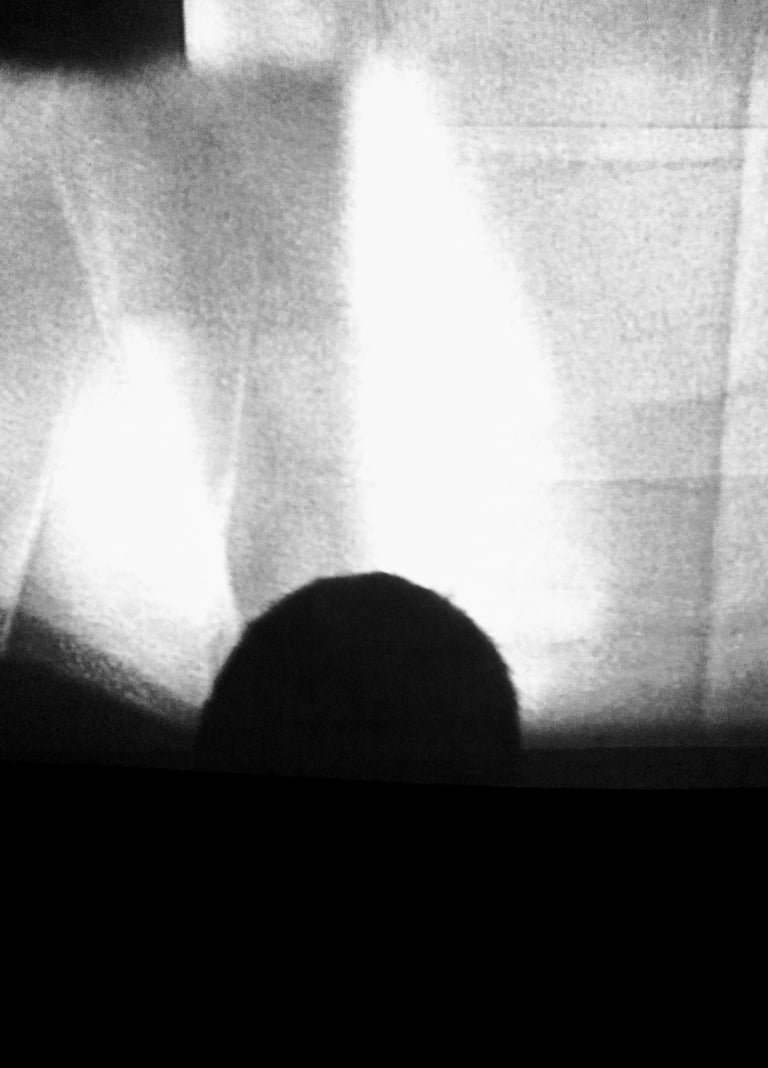
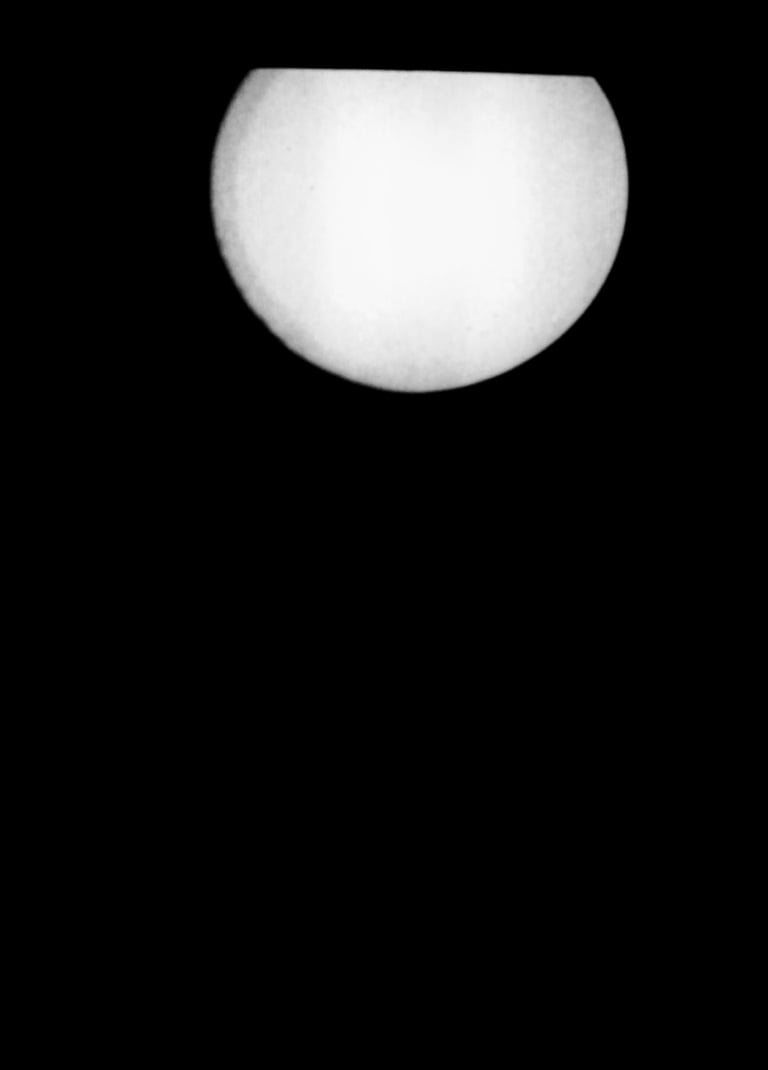
A photographic study of space and light, where geometry emerges through shadow and grain. Monochrome becomes a tool for revealing structure, rhythm, and quiet intensity.
Jon Fielding
Blog Post _ 07/02/26
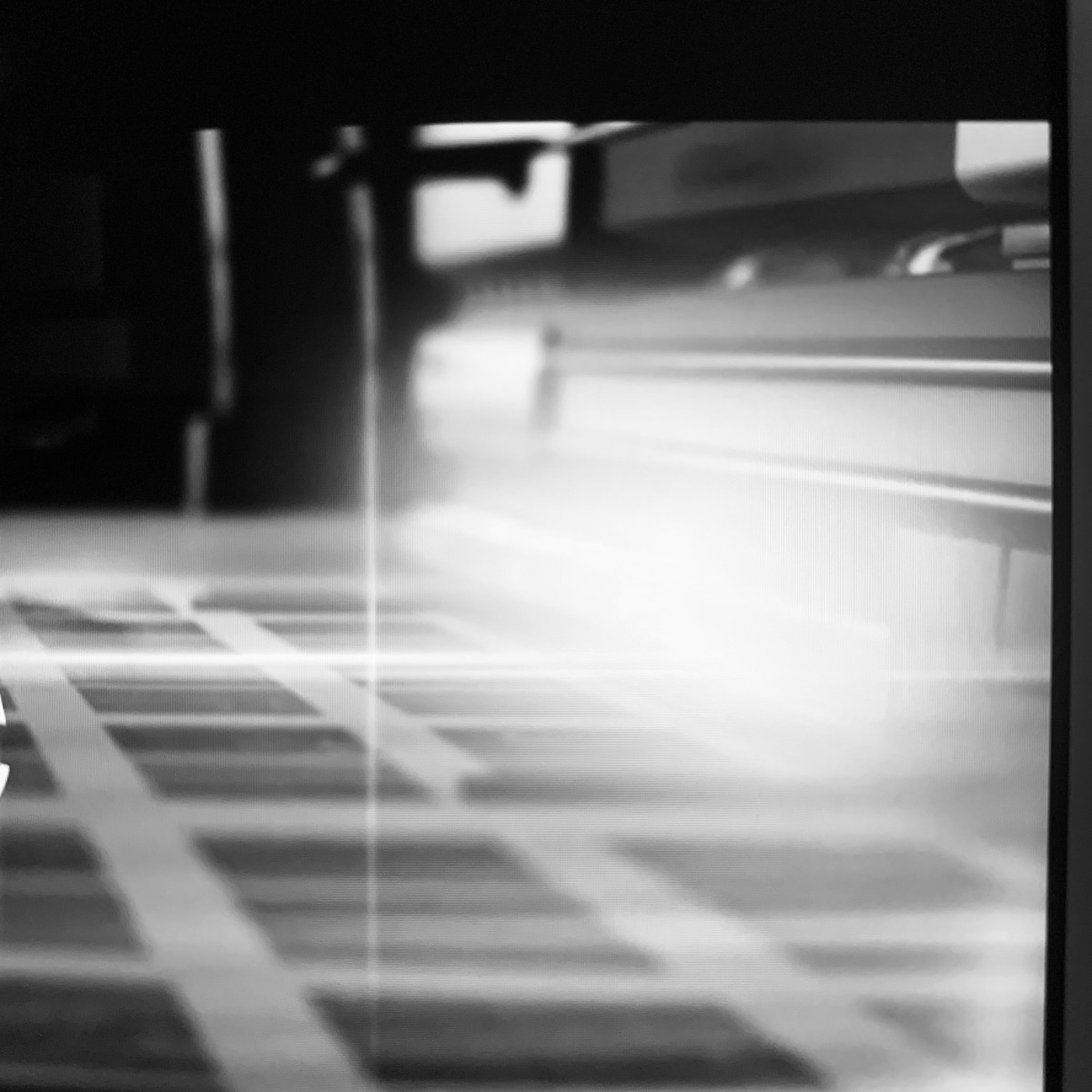
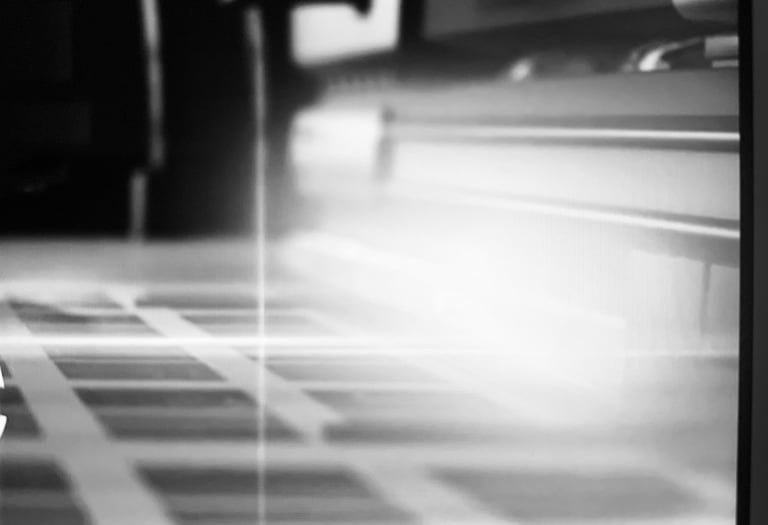
Seeing Structure, Sensing Time is a contemporary meditation on form, stripped to its essence. Through a series of monochrome photographs, geometry, grain, and light are explored as both subject and method — a photographic study of space and light where structure emerges through shadow, texture, and restraint.
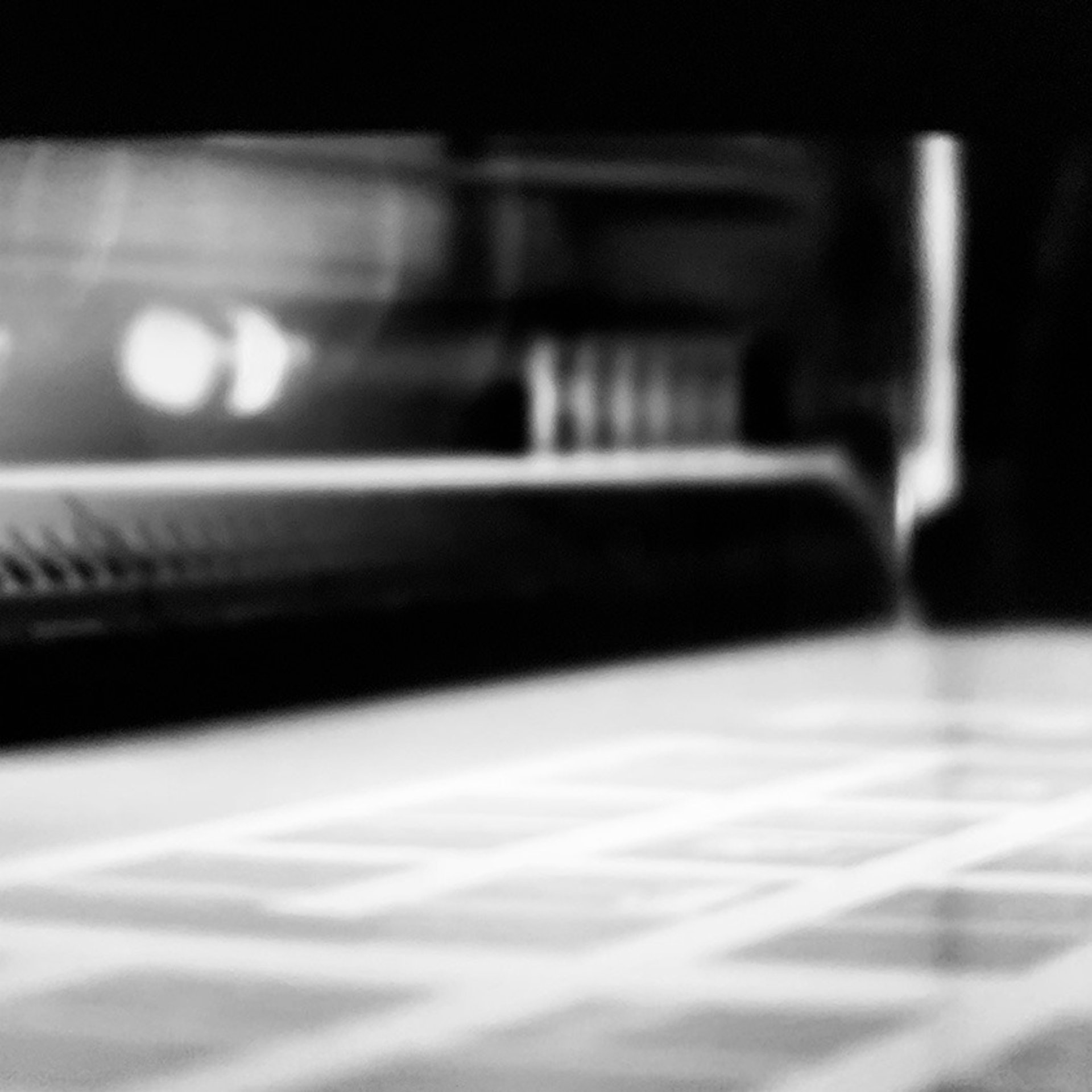
Working in black and white, and in the subtle tonal range of greys, distraction falls away. What remains is form in its most direct state: structure, surface, rhythm. Monochrome becomes a tool for clarity, allowing geometry to assert itself and for light to shape space without interruption. Lines converge, curves resist, and shadows carve unexpected architecture from ordinary scenes.
Grain plays a deliberate and expressive role throughout the series. It introduces softness and imperfection into precise compositions, acting as a quiet register of time. Rather than smoothing the image, grain holds onto the trace of the moment — a reminder that photographs are not static representations, but accumulations of light, duration, and presence.
Geometry provides both order and tension. Repeating forms and structural alignments suggest architectural logic without documenting specific places. Spaces are abstracted, edges are tested, and familiar environments shift toward ambiguity. The result is not a record of space, but an interpretation of it — where rhythm, proportion, and balance take precedence over literal description.
Light remains central to every image. At times it arrives sharply, defining edges and intensifying contrast; elsewhere it softens, allowing boundaries to dissolve. Light acts simultaneously as subject and sculptor, revealing structure while shaping atmosphere. Through this interplay, quiet intensity emerges — subtle, measured, and intentional.
This body of work is less concerned with what is seen than with how it is felt. It invites slower looking and sustained attention, encouraging the viewer to notice the space between highlights and shadows, the weight of negative space, and the transition from precision to ambiguity. High-contrast moments sit beside soft tonal fades; hard edges give way to atmosphere.
Ultimately, Seeing Structure, Sensing Time explores minimal form with maximum presence. It is an inquiry into how light constructs space, how geometry holds meaning, and how monochrome allows structure, rhythm, and quiet intensity to surface — without excess, and without explanation
Let Abstraction Bend the Rules of History....
'Past Lives, New Histories' Hand-cut Collage Series
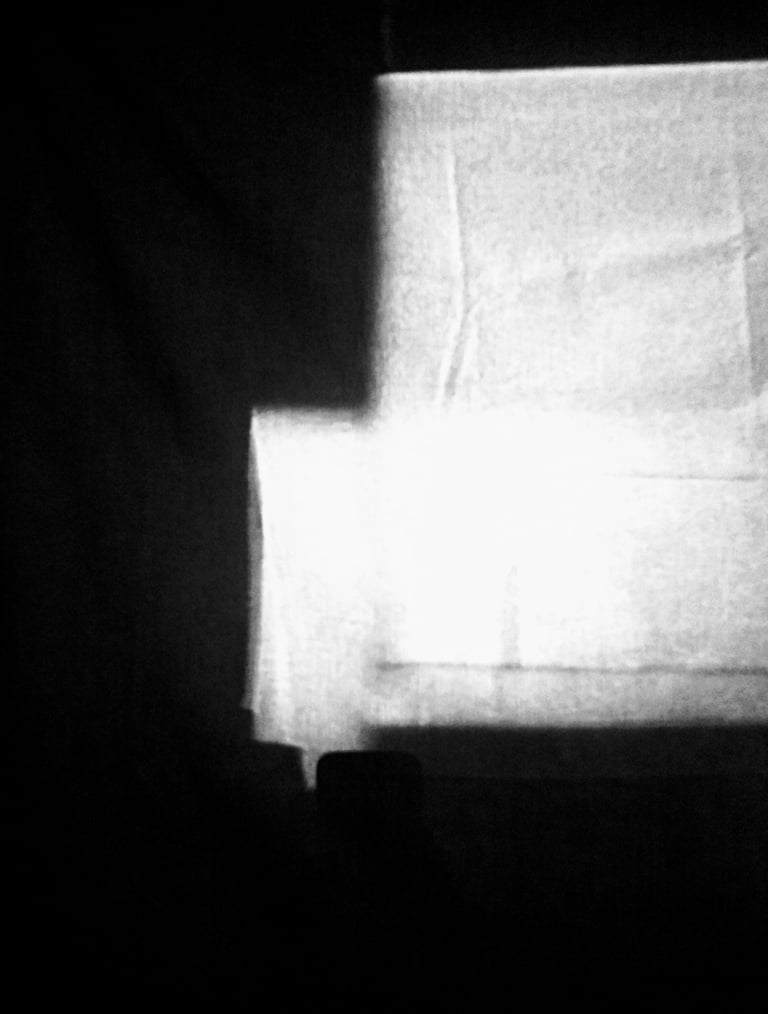
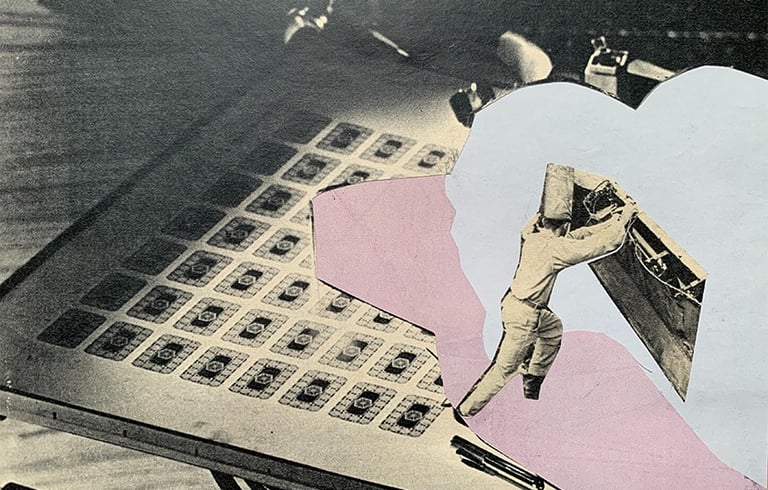
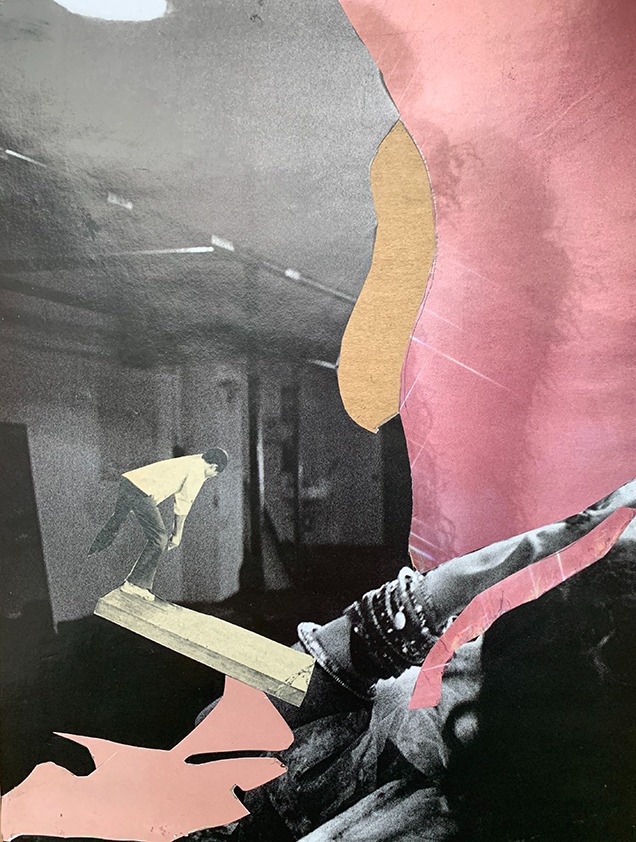
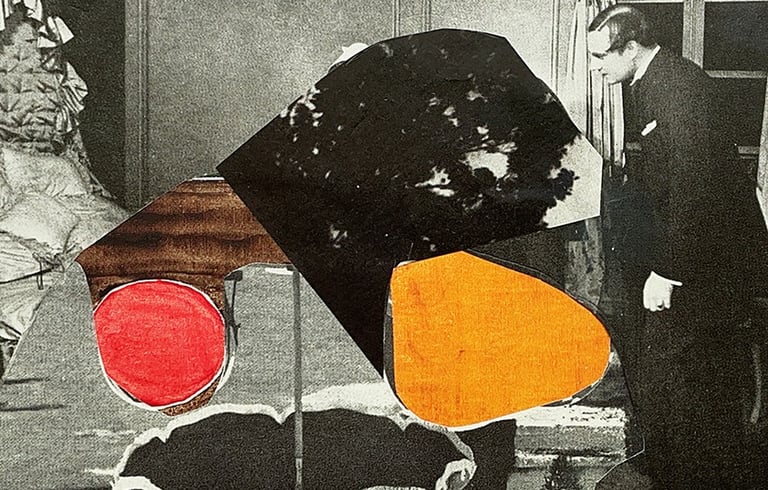
Past Lives, Histories explores the friction between memory and imagination—where vintage street scenes, clipped from forgotten magazines, are reborn in surreal, abstract compositions. By layering figures of the past into bold new contexts, each collage becomes a portal to a reimagined history—part truth, part dream, entirely untethered from time.
Jon Fielding
Blog Post _ 19/06/25
There’s something hypnotic about old magazine street scenes — men in crisp hats, women in elegant postures, cities humming in black and white. They whisper stories frozen in time, snapshots of lives and moments we only glimpse but feel connected to. But what happens when we disturb that stillness, tearing these characters from their vintage frames and placing them in bold, abstract compositions? How does the past transform when reimagined through the lens of today’s creative impulses?
My latest series, Past Lives, New Histories, explores exactly this question.
By contrasting documentary-style imagery with chaotic, painterly layers—vivid color fields, brutal cut-outs, surreal overlays—I seek to disrupt nostalgia and reframe memory. These aren’t just past lives on parade; they are recontextualized personas navigating imagined realities. A 1950s pedestrian might now float weightlessly across acid-orange shapes, while a mid-century Parisian avenue dissolves into pools of ink and fractured geometry. The familiar dissolves into the fantastic, inviting viewers to see beyond the archival and into a newly created narrative space.
This tension—between the literal and the lyrical, between history and imagination—creates room for fresh interpretations. Who were these people? What if their stories didn’t end when the photograph was taken? What if they existed outside their moment in time, carrying with them desires, fears, and dreams that transcend decades? In this series, the collage becomes a dialogue rather than a monument, inviting a conversation between past and present, memory and invention.
For fellow artists and creatives: consider looking closely at your vintage sources—not just the obvious elements, but the small overlooked details—a crooked tie, a sideways glance, a half-hidden smile. These fragments hold untold stories and possibilities. Build your new visual worlds around them. Allow abstraction and imagination to bend the rules of history. Let these old souls walk new paths, inhabiting scenes that never were, yet feel deeply resonant.
In Past Lives, New Layers, the past is never fixed; it is fluid, layered, and alive—waiting for us to rediscover, reinterpret, and reinvent.
Get in Touch
Connect for inquiries about art, photography, and collaborations.
jonfielding.com
Where photography meets collage and visual expression
Portfolio
Shop
info@jonfielding.com
© 2025. Jon Fielding. All rights reserved. All artworks protected. No reproduction without permission
All images and content on this website are the original work of [Jon Fielding] and are protected by international copyright laws.
No part of this site, including artwork, may be copied, reproduced, distributed, or used in any form without prior written permission.
Unauthorized use of any images is strictly prohibited and may result in legal action.